Whats on this page:

Office Hours: Monday to Friday - 09:00 to 16:45
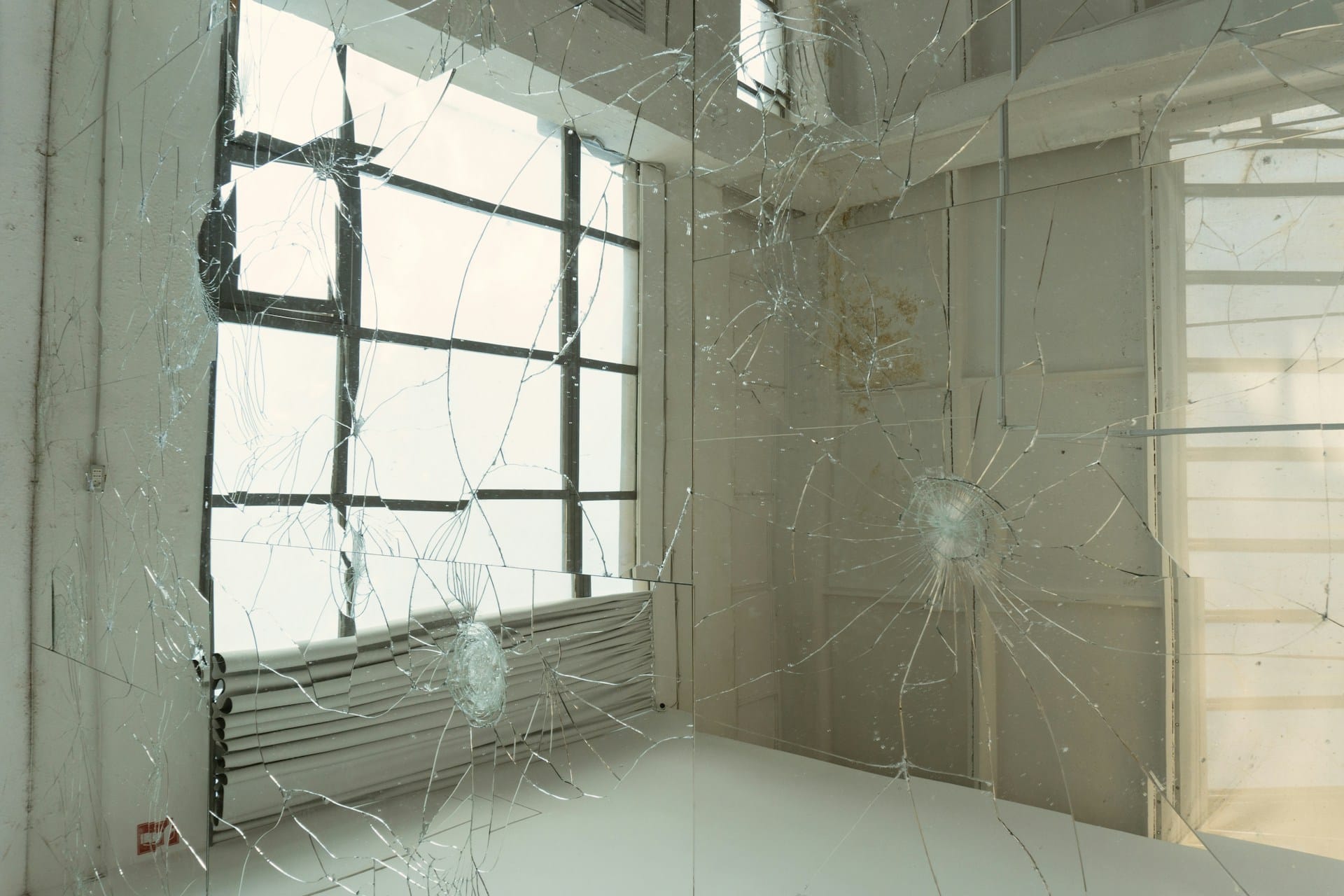
Insurers treat these three types of damage very differently, so it helps to know which one you are dealing with before you think about making a claim.
| Type of damage | Example | Usually covered? |
|---|---|---|
| Accidental damage | Red wine spilt on a carpet | Only if accidental damage cover has been added to your policy |
| Malicious damage by tenants | Holes kicked in an internal door | Only if your policy has been extended to include it |
| Wear and tear | Faded paintwork or a worn hallway carpet | No, wear and tear is not covered by landlord insurance |
Accidental damage is usually an optional extra rather than part of a standard landlord insurance policy. Standard policies tend to focus on specific insured events, such as fire, flood, storm and escape of water, so a one-off accident caused by a tenant may not be covered unless you have added it.
Accidental damage cover can usually be added separately for the building and for any furnishings you provide. Building cover would typically apply to something like a tenant putting a foot through the ceiling while in the loft or cracking a bathroom basin. It is worth checking which parts of your policy include it, as having accidental damage cover on the building does not automatically mean your furnishings are covered too.
This guide focuses on damage to the property itself. If you let a furnished property and want to protect your furniture, white goods and appliances, find out more about landlord contents insurance.
When it comes to malicious damage, insurers usually separate who caused it.
Malicious damage by people unlawfully on the property, such as intruders or vandals, is often included as standard in landlord buildings insurance.
Malicious damage by tenants and their guests, meaning people you have allowed to live in or visit the property, is usually only covered as an extension. This cover often comes with a higher excess, and most insurers will require you to report the damage to the police and provide a crime reference number.
Many landlords assume they are protected against deliberate damage, only to find their policy just covers malicious damage by people who had no right to be in the property. At Waltons, we can extend your cover to include malicious damage by tenants, subject to criteria.
The risk of tenant damage tends to be higher in properties with several unrelated occupants, shared living spaces or a high turnover of tenants. If you let a house in multiple occupation or rent to students, take a look at our HMO insurance and student landlord insurance.
No. Landlord insurance is designed to cover sudden and unforeseen events, while wear and tear is gradual and expected. Because it is certain to happen over time, insurers treat it as a maintenance cost rather than an insurable risk.
The cost of redecorating and replacing items as they age is part of the cost of letting a property, so it is worth budgeting for it. However, damage that goes beyond fair wear and tear can often be recovered from the deposit, which raises the question of whether to use the deposit or your insurance.
For damage that goes beyond fair wear and tear, you may be able to recover the cost from the tenant’s deposit, your landlord insurance, or both. There is no single right answer, but these three questions can help you decide.
Tenancy deposits must be protected in a government-approved tenancy deposit protection scheme. If you and your tenant cannot agree on deductions at the end of the tenancy, the scheme offers a free dispute resolution service to decide how the deposit should be split. You can find out more about tenancy deposit protection on GOV.UK.
Whichever route you choose, you cannot recover the same loss from both the deposit and your insurer. If part of the cost has already been met by the deposit, you should tell your insurer, as this will be taken into account in any claim.
Whether you are claiming on your insurance or making deductions from the deposit, the strength of your evidence often decides the outcome. The most important records include:
If you need to make a claim, visit the Waltons claims page for details of how to get in touch.
You cannot rule out tenant damage completely, but a few simple steps can make it far less likely and much easier to deal with if it does happen.
Not sure whether your current policy covers accidental or malicious damage by tenants? Our team can check your existing landlord insurance and, where it does not include this cover, look at adding it for you, subject to criteria. Request a quote to get started.
Yes, if the cost of putting right damage beyond fair wear and tear is more than the deposit, you can ask your tenant to pay the difference. The deposit scheme’s dispute service can usually only decide how the deposit itself is divided, so if your tenant refuses to pay the rest, you may need to pursue it through the small claims court. Good evidence, such as a signed inventory and dated photos, will be essential.
It depends on the type of mark and the circumstances. Light scuffs, minor marks from furniture and small holes from picture hooks after a long tenancy are usually treated as fair wear and tear. Large stains, drawing on walls, holes from unapproved fixings or damage from removing adhesive are more likely to be classed as damage. The length of the tenancy, the number of occupants and the condition of the walls at check-in are all taken into account.
Often not. Many landlord insurance policies exclude damage caused by pets, such as scratching, chewing or fouling, even where accidental damage cover is in place. Check your policy wording carefully. If pet damage is not covered, you may be able to recover the cost from the deposit or from your tenant directly.
A claim could be reduced or declined if you have not met your policy conditions. Common reasons include not carrying out inspections your policy requires, not reporting the damage promptly, not reporting malicious damage to the police, not keeping the property in a good state of repair, or not telling your insurer about important changes, such as letting to students or converting the property into an HMO. Not having enough evidence of the property’s condition before the damage can also make a claim harder to prove.
In some circumstances, yes. In England, damage to the property or to furniture you provide can be grounds for seeking possession under Section 8 of the Housing Act 1988. These are discretionary grounds, which means a court will decide whether it is reasonable to grant possession. You must follow the correct notice and court process, and you should never change the locks or remove a tenant’s belongings yourself. The rules are different in Wales, Scotland and Northern Ireland, so it is worth taking legal advice before taking action.

Buy-to-let landlord insurance is designed to offer protection for your rental property that goes beyond basic home insurance.
HMO landlord insurance has been designed to protect landlords who rent out properties to multiple tenants under a HMO arrangement.
Commercial landlord insurance is a type of cover that protects a property owner who rents out their premises to a business.
If you own a property and rent it to a tenant who receives benefits, such as Universal Credit or Housing Benefit, the policy you need is often known as a DSS landlord insurance.
Landlord Portfolio insurance is a single insurance policy providing specialist cover for multiple buy-to-let properties.
Renting a property to students requires a specific type of insurance. It is a specialist policy designed to cover the unique risks associated with letting properties to students, due to the associated higher risks such as accidental or malicious damage along with the potential for a higher tenant turnover.
If you own a second property that you use for leisure or rent out to holidaymakers, it is important to have specialist holiday home insurance.